





The age of technology has brought a significant reliance on electricity. A power outage, whether due to a storm, technical glitch, or a grid failure, can cause immense disruption in our daily lives. A solution many Newnan, GA area homeowners are considering is the whole-house generator. This comprehensive guide dives deep into the pros and cons of whole-house generators and provides insight into some of the leading brands in the market.
Pros of Whole House Generators
1. Continuous Power Supply: The primary advantage is the uninterrupted power supply. When the grid goes down, the generator kicks in, ensuring that your household doesn’t skip a beat.
2. Safety: They prevent potential electrical accidents caused by unstable power surges during outages.
3. Convenience: No need to store gasoline, haul out a portable generator, or run extension cords. Once installed, it’s a hands-off solution.
4. Property Value: Installing a whole-house generator can potentially increase the resale value of your home.
5. Protection for Appliances: Frequent power outages can be harmful to electronics and appliances. A continuous power supply, especially during brownouts ensures their longevity.
6. Comfort: Keep your HVAC system, refrigerator, and other essential appliances running, ensuring comfort and eliminating food waste during extended outages.
Cons of Whole House Generators
1. Initial Cost: They can be expensive to purchase and install compared to portable generators.
2. Fuel Storage: For generators running on propane or diesel, homeowners need to consider safe fuel storage solutions.
3. Noise: While quieter than portable counterparts, they can still produce noise, potentially disturbing to some homeowners.
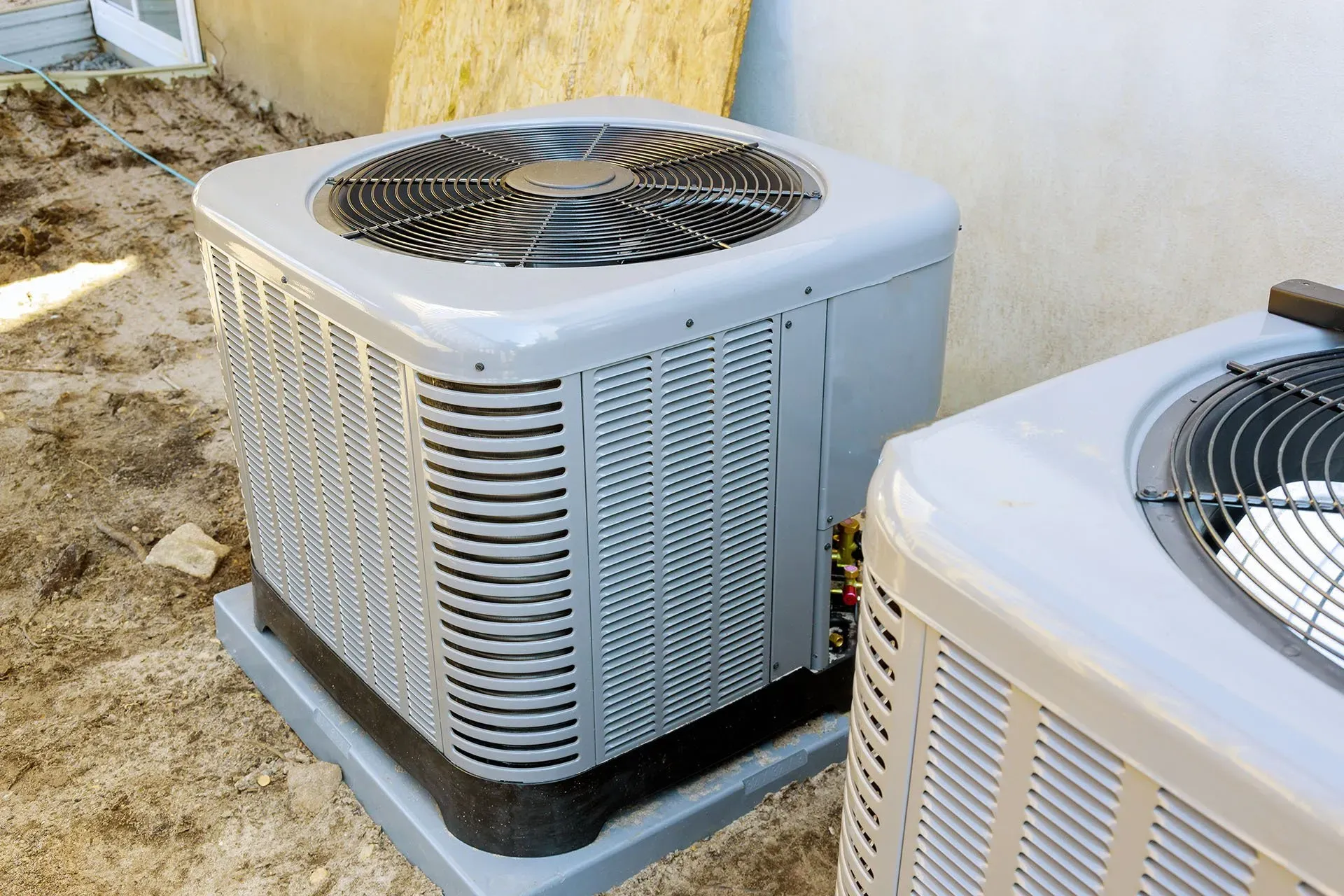
4. Space: These generators are sizable, needing dedicated space for installation.
5. Environmental Concerns: They produce emissions, which might not be ideal for environmentally-conscious homeowners.
Popular Whole House Generator Brands:
1. Generac: Arguably the most popular name in the industry, Generac offers a wide range of options. Known for their reliability and longevity, they provide generators that run on various fuels. The “Guardian Series” is one of their most lauded lines, offering power solutions tailored to household needs.
Pros: Durable, wide range of products, and good customer service.
Cons: Higher-end models can be pricey, and some users report issues with warranty claims.
2. Kohler: A renowned name in the electrical industry, Kohler’s whole house generators stand out for their quiet operation and sleek designs. Their “RESV Series” is particularly suited for residential applications.
Pros: Quiet operation, robust construction, and efficient customer support.
Cons: Slightly more expensive and requires professional installation.
3. Briggs & Stratton: A giant in the engine world, their generators offer solid performance. The “Fortress Series” is especially robust, providing extended warranties.
Pros: Reliable, excellent warranties, and efficient fuel consumption.
Cons: Limited range compared to competitors and occasional complaints about customer service.
4. Cummins: Known more in the commercial sector, Cummins has made a mark in the residential space with efficient and durable generators. Their “QuietConnect Series” lives up to its name, offering silent operation.
Pros: Durable, ultra-quiet, and seamless switch during power outages.
Cons: Premium pricing, and in some cases, might be overkill for smaller homes.
Additional Considerations when Buying a Whole House Generator
Before diving into the purchase, homeowners should take into account some additional aspects:
1. Fuel Source: Different brands and models cater to various fuel types, including natural gas, diesel, propane, or even solar. Depending on the availability and cost of fuel in your region, one might be more preferable over the other.
2. Installation: Setting up a whole house generator isn’t a DIY task. It requires professional electrical installation which might add to the initial cost. Most brands offer installation services and have certified partners who can handle the installation and setup.
3. Warranty and Service: Given the investment you’re making, look for generators that come with extended warranties. Also, consider the service network of the brand in your area. Regular maintenance is a must, and having service centers close to your location can be a boon.
4. Capacity: Consult a licensed electrician when attempting to estimate the power needs of your home. Buying a generator with excessive capacity can be an unnecessary expense and waste fuel, while one with too little might not serve the purpose during a power outage.
5. Automatic Transfer Switch: This feature ensures that the generator starts automatically when there’s a power outage. It’s a beneficial feature that adds to the convenience of having a whole-house generator.
Some Environmental Concerns
While we touched upon the environmental concerns in the cons section, it’s essential to understand this aspect more deeply, given the increasing global focus on sustainable living:
Carbon Footprint: Generators, especially those running on diesel, release CO2. Opt for brands that have eco-friendly features or low-emission engines.
Noise Pollution: While most modern whole-house generators have sound insulation, it’s worth checking the decibel levels before making a purchase. Some areas have regulations on the permissible noise levels of generators.
Eco-friendly Alternatives: Consider exploring brands or models that prioritize green technology. Solar-backed battery systems are emerging as alternatives to traditional generators, providing sustainable backup power solutions.
Final Thoughts
Whole house generators, while an investment, offer a blend of convenience, safety, and peace of mind. With power outages becoming frequent in many Newnan, GA area homes due to extreme weather conditions and grid failures, having a backup can make a significant difference. Contact your local electrician for a more detailed overview, and help while considering the size of your home, calculating your power needs, and making a choice that aligns with your values be it sustainability, noise levels, or budget.
Remember, while the initial expenditure might seem high, the benefits reaped in terms of security, comfort, and the smooth running of your household can often outweigh the costs in the long run.