





In Georgia, summer cooling costs can climb quickly. Between hot afternoons, heavy humidity, and long AC run times, homeowners in Griffin, Newnan, Peachtree City, Fayetteville, and surrounding areas are always looking for ways to keep their homes comfortable without unnecessarily overworking their air conditioning systems.
One area many homeowners overlook is the crawl space.
Traditional vented crawl spaces allow outdoor air to move beneath the home. During Georgia’s hot and humid summers, that can introduce warm, moisture-heavy air into the crawl space, potentially affecting humidity, comfort, insulation, ductwork, and overall home performance.
How Crawl Space Vents Can Affect Cooling Efficiency
When outdoor air enters a vented crawl space during hot, humid weather, it can come into contact with cooler surfaces beneath the home, including ductwork, plumbing lines, floor framing, and insulation. Under the right conditions, that temperature difference can contribute to condensation and elevated moisture levels.
Excess moisture beneath the home can also make humidity management more difficult, particularly when HVAC equipment or ductwork is located in the crawl space.
The U.S. Department of Energy’s Building America Solution Center explains that converting a vented crawl space to a properly designed unvented space can help create a more temperate environment for heating and cooling equipment while reducing the intrusion of humid outdoor air. Homeowners can review the DOE-backed vented-to-unvented crawl space guidance for additional information.
Why This Matters for Homes in Griffin and Newnan
Homes throughout Griffin, Newnan, and South Metro Atlanta experience long cooling seasons and substantial summer humidity. When a crawl space is damp, poorly sealed, or exposed to humid outdoor air, several issues may occur together:
- Humid outdoor air enters the crawl space.
- Moisture levels beneath the home may rise.
- Insulation and building materials may be exposed to excess moisture.
- Musty odors or uncomfortable indoor humidity may develop.
- Ductwork located beneath the home may operate in a hotter, more humid environment.
- The HVAC system may have a harder time maintaining consistent indoor comfort.
This can be particularly important when supply or return ductwork runs through the crawl space. Damaged, poorly sealed, or inadequately insulated ducts can contribute to comfort and efficiency problems regardless of how well the air conditioner itself is operating.
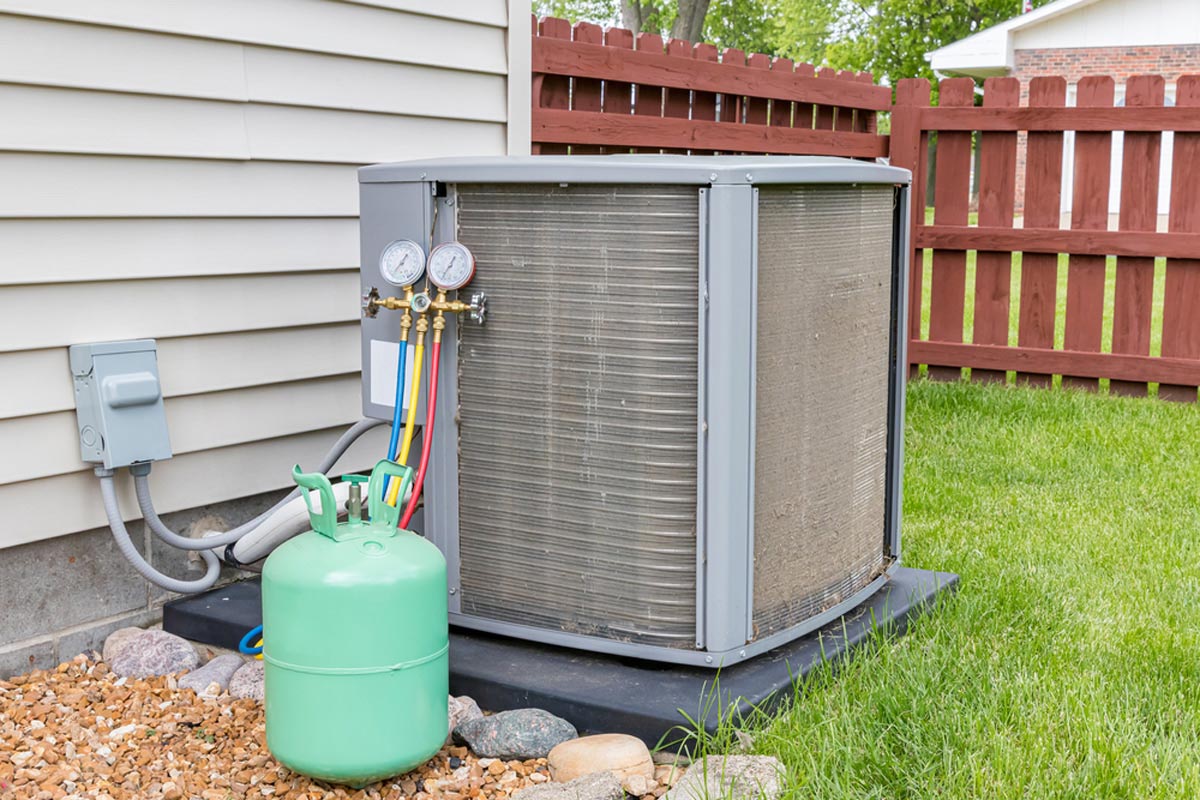
If your home feels unevenly cooled or your AC seems to run excessively, professional air conditioning repair in Newnan and surrounding areas can help determine whether the cooling system, ductwork, or surrounding building conditions are contributing to the problem.
Signs Your Crawl Space May Be Affecting Home Comfort
You may not visit your crawl space often, but conditions beneath the home can sometimes reveal themselves through noticeable symptoms.
Potential warning signs include:
- Musty odors inside the home
- Higher-than-expected indoor humidity
- Condensation on ductwork or plumbing beneath the home
- Wet or deteriorating crawl-space insulation
- Rooms that are difficult to cool consistently
- Visible moisture or standing water beneath the home
- Persistent damp or mildew-like odors
- Longer-than-normal AC run times
These symptoms do not automatically mean the crawl space is the only cause. HVAC performance, duct leakage, drainage, plumbing leaks, insulation, air sealing, and other building conditions can produce similar problems. A professional evaluation can help identify what is actually happening.
Why Sealing Crawl Space Vents May Help in a Humid Climate
In humid climates, a properly designed sealed or unvented crawl space can often provide better moisture control than simply allowing outdoor air to move freely beneath the home.
Crawl space encapsulation generally focuses on controlling ground moisture and outdoor-air intrusion rather than relying exclusively on natural ventilation.
A properly designed crawl-space improvement may help:
- Reduce humid outdoor-air intrusion
- Control moisture beneath the home
- Create more stable conditions around ductwork and HVAC equipment
- Reduce musty odors associated with damp conditions
- Protect insulation and structural materials from unnecessary moisture exposure
- Support more consistent indoor comfort
Hammond Services offers crawl space encapsulation in Griffin, GA for homeowners looking to address moisture and comfort problems beneath their homes.
Crawl Space Encapsulation and HVAC Performance
Crawl space encapsulation typically involves separating the crawl space from ground moisture and uncontrolled outdoor-air intrusion. Depending on the property and the specific system being installed, that may involve vapor barriers, air sealing, vent closure, insulation, drainage improvements, and humidity-control measures.
When HVAC equipment or ductwork is located beneath the home, creating a more controlled crawl-space environment can also reduce its exposure to extreme outdoor temperatures and humidity.
This does not mean crawl space encapsulation will solve every air conditioning problem. An older AC system, refrigerant issue, airflow restriction, failing component, or improperly sized system still needs to be evaluated separately.
In some homes, the most effective approach may involve combining building-envelope improvements with HVAC maintenance, repair, or an eventual HVAC system replacement.
Don’t Ignore Plumbing and Electrical Concerns Under the Home
A damp crawl space can involve more than comfort and cooling efficiency. Plumbing lines, wiring, ductwork, insulation, and structural materials may all be located beneath the home.
Standing water, condensation, plumbing leaks, damaged insulation, or deteriorating materials should be investigated rather than ignored. The source of moisture should be identified before the crawl space is sealed.
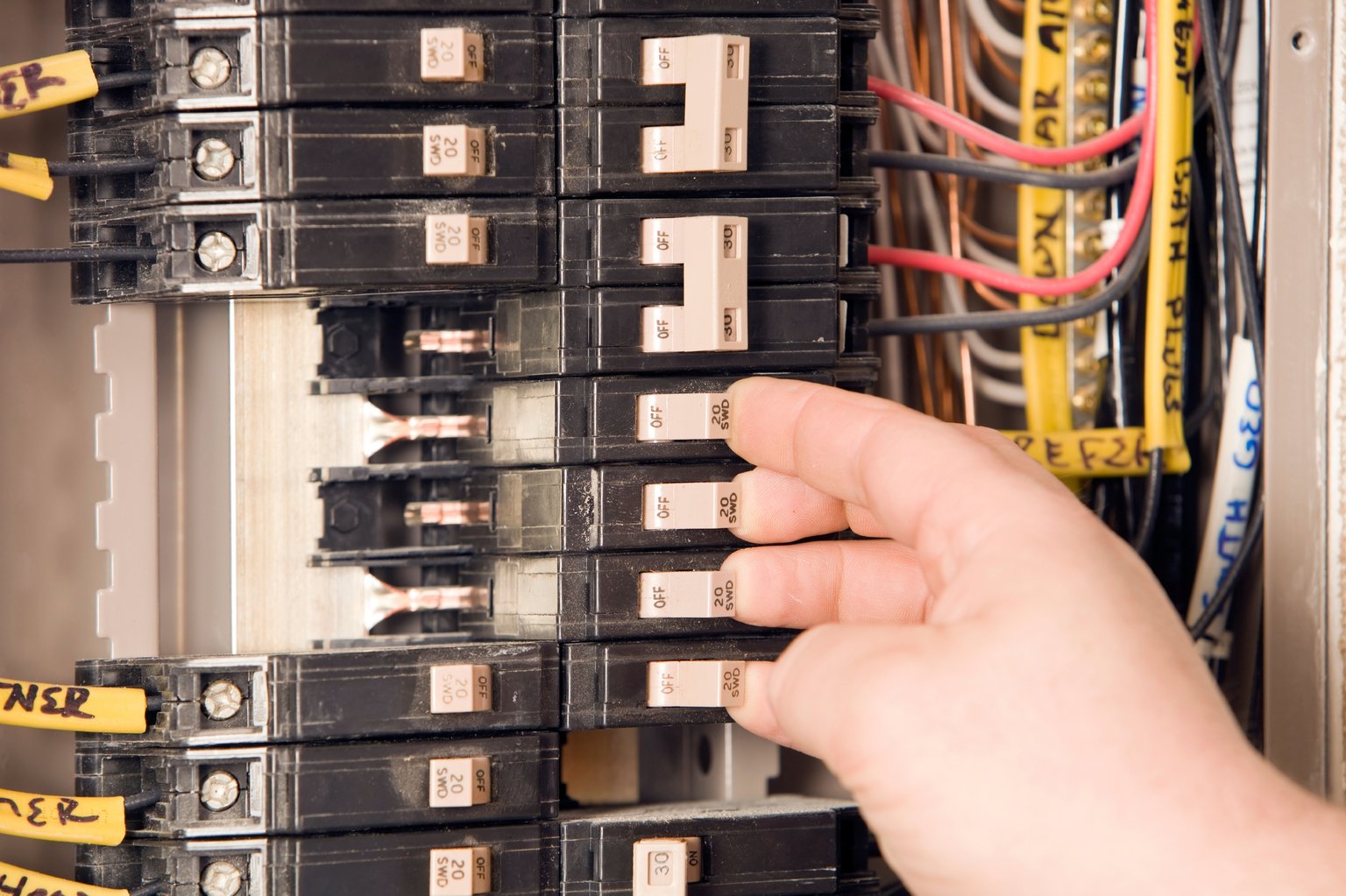
Hammond Services provides HVAC, plumbing, and electrical services, allowing homeowners to evaluate multiple systems that may be affected by conditions beneath the home. For electrical concerns, Hammond also offers electrical installation and repair in Newnan, GA.
Should Georgia Homeowners Keep Crawl Space Vents Open or Closed?
There is no universal answer for every property. Foundation design, drainage, insulation, vapor barriers, ductwork, existing moisture, local code requirements, and the overall crawl-space strategy all need to be considered.
However, current building-science guidance recognizes properly designed unvented crawl spaces as an effective option in humid climates. The important part is that simply closing vents is not the same thing as properly encapsulating a crawl space.
Before sealing vents or making significant changes yourself, have the crawl space evaluated for water intrusion, plumbing leaks, drainage problems, moisture damage, insulation issues, and other conditions that should be corrected first.
Schedule a Crawl Space Evaluation With Hammond Services
If your home in Griffin, Newnan, Peachtree City, Fayetteville, or a surrounding Georgia community feels humid, smells musty, or seems more difficult to cool than it should, conditions beneath the home may be contributing to the problem.
Hammond Services can evaluate crawl-space conditions alongside related HVAC, plumbing, and electrical concerns to help determine the appropriate next steps.
From crawl space encapsulation to AC repair and other whole-home services, Hammond Services can help address the systems and conditions affecting comfort throughout your home.
Schedule service with Hammond Services to find out whether crawl space moisture or ventilation may be affecting your home’s comfort and cooling performance.