





When temperatures climb in Georgia, your air conditioner works harder than almost any other appliance in your home. If the circuit breaker trips every time your AC starts, it’s more than just an inconvenience—it’s your home’s way of protecting itself from a potentially unsafe electrical condition.
While resetting the breaker may get your system running temporarily, a breaker that continues to trip is signaling that something isn’t working properly. The issue could be with the air conditioner itself, your home’s electrical system, or a combination of both. Ignoring the problem can lead to more expensive repairs and, in some cases, create a safety hazard.
At Hammond Services, we’ve helped homeowners throughout Griffin, Newnan, Stockbridge, Austell, and the surrounding areas diagnose both HVAC and electrical issues that cause repeated breaker trips. Here’s what could be happening.
Why Does My Air Conditioner Trip the Breaker When It Starts?
Air conditioners require a surge of electricity every time the compressor starts. Under normal circumstances, your dedicated electrical circuit is designed to handle that temporary increase in power.
However, if the system is working harder than it should—or if an electrical component has begun to fail—the startup current may exceed what the breaker can safely allow. Rather than letting wires overheat or equipment become damaged, the breaker shuts the system off.
The National Fire Protection Association notes that repeatedly tripping circuit breakers are often a warning sign of an underlying electrical issue that should be inspected instead of ignored. You can learn more about electrical safety from the National Fire Protection Association (NFPA): https://www.nfpa.org/education-and-research/home-fire-safety/electrical-safety-in-the-home.
A Dirty Air Filter Can Make Your System Work Harder
One of the simplest causes is also one of the most overlooked. A clogged air filter restricts airflow throughout your HVAC system, forcing the blower motor and other components to work harder to move air through your home.
Over time, that additional strain can increase the amount of electricity the system draws and contribute to overheating. While replacing the filter may not solve every breaker issue, it’s an easy first step that homeowners should never overlook.
If you’ve recently changed the filter and the breaker continues to trip, it’s time for a professional inspection.
Dirty Condenser Coils Increase Electrical Demand
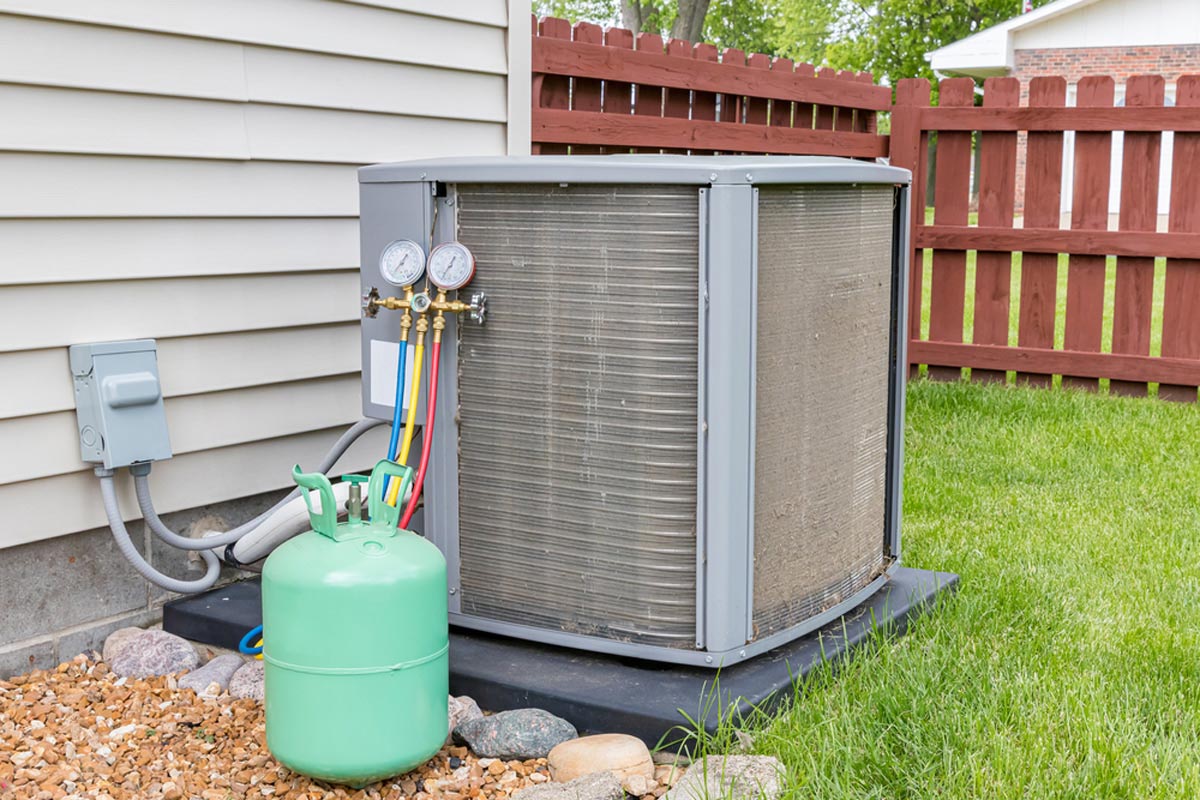
Your outdoor air conditioning unit is responsible for releasing the heat removed from your home. When the condenser coils become coated with dirt, pollen, leaves, or grass clippings, the system has a much harder time getting rid of that heat.
As temperatures inside the unit rise, the compressor has to work significantly harder to cool your home. That additional workload often results in higher electrical demand, which can eventually cause the breaker to trip.
Scheduling annual AC maintenance helps keep the coils clean while allowing technicians to identify small problems before they become costly repairs.
A Weak Capacitor May Prevent the AC From Starting Properly
Every time your air conditioner starts, the capacitor provides the electrical boost needed to get the compressor and fan motors running.
As capacitors age, they lose their ability to deliver that initial burst of energy. Instead of starting smoothly, the compressor may struggle, hum, or repeatedly attempt to start. That extra effort often causes the system to draw more electricity than normal, resulting in a tripped breaker.
Because capacitors store electrical energy even after power has been disconnected, replacement should always be handled by a qualified HVAC technician.
Compressor Problems Can Trip the Breaker
The compressor is often considered the heart of your air conditioning system. When it’s operating normally, it circulates refrigerant and keeps cool air flowing throughout your home.
As compressors age, internal wear can cause them to require significantly more electricity during startup. In some cases, they may develop internal electrical shorts that trip the breaker immediately.
If testing confirms the compressor is failing, your technician can help determine whether repair is practical or whether it’s more cost-effective to consider an air conditioning replacement.
Failing Motors Often Show Warning Signs
Both the indoor blower motor and the outdoor condenser fan motor can develop problems over time. Worn bearings, damaged windings, or failing electrical components make these motors work harder, creating excess heat and increasing electrical demand.
Many homeowners notice subtle warning signs before the breaker begins tripping consistently. The system may produce humming or buzzing noises, airflow may feel weaker than normal, or the outdoor fan may hesitate before spinning. Sometimes the breaker doesn’t trip immediately but instead shuts off after the system has been running for several minutes because the motor has overheated.
These symptoms should never be ignored, as replacing a worn motor early can often prevent additional damage to the system.
Low Refrigerant Can Put Extra Stress on the System
Contrary to popular belief, refrigerant isn’t something that simply gets used up over time. If your system is low, there’s almost always a leak somewhere in the system.
Low refrigerant forces the compressor to operate under abnormal conditions, increasing wear and electrical demand. You may also notice warm air coming from your vents, longer cooling cycles, ice forming on the refrigerant lines, or higher utility bills.
If you suspect a refrigerant issue, Hammond Services can inspect the system, locate the leak, and perform professional AC refrigerant leak repair.
Sometimes the Breaker Is the Problem
Not every breaker trip is caused by the air conditioner itself.
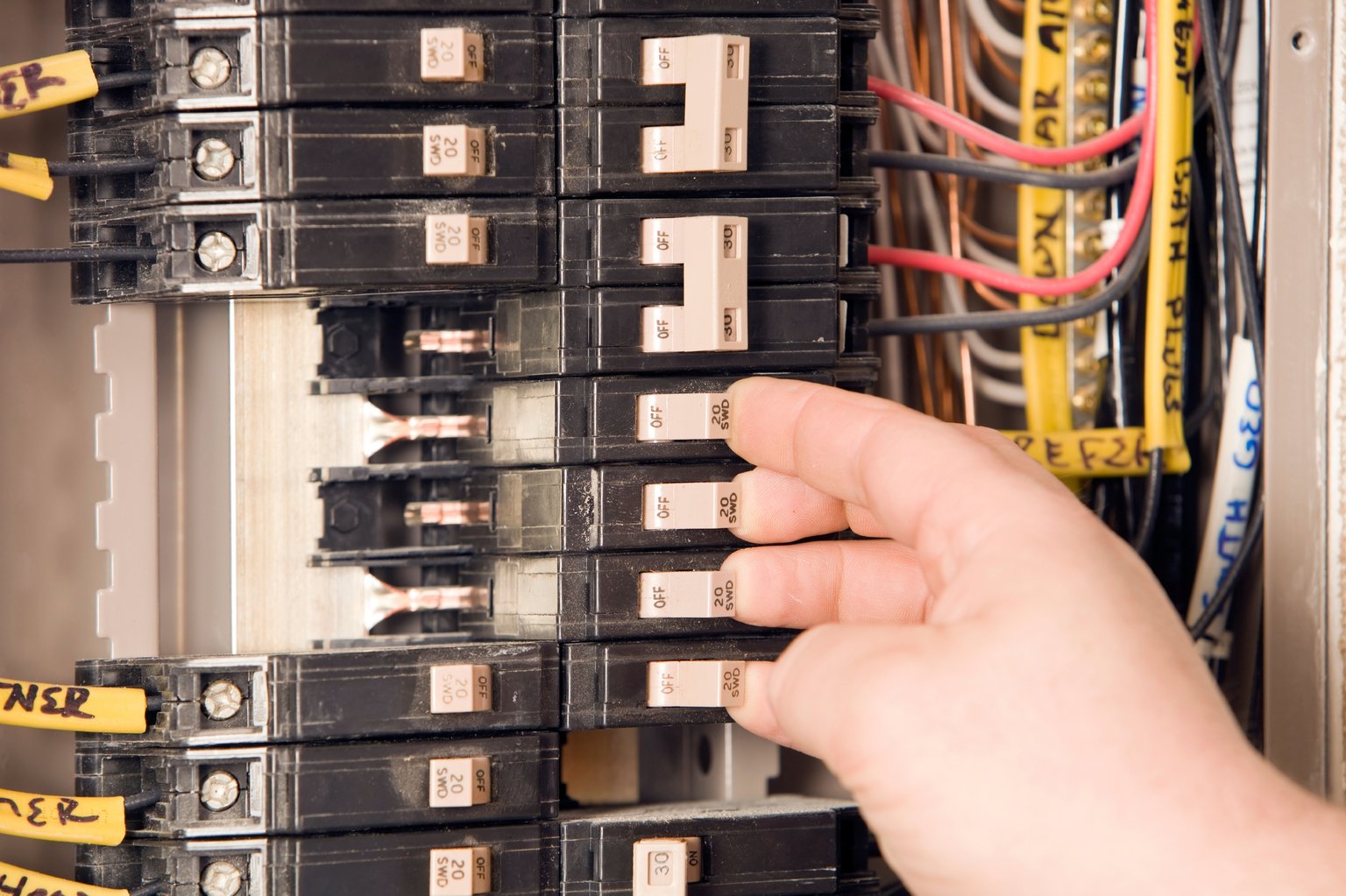
Circuit breakers gradually wear out after years of normal use. As they age, they can become more sensitive and trip even when the electrical load remains within acceptable limits.
That doesn’t mean the breaker should simply be replaced without testing. A qualified electrician should first determine whether the breaker is failing or if it’s responding correctly to another issue elsewhere in the electrical system.
Homeowners should also never replace a breaker with a larger one in an attempt to stop it from tripping. Doing so can create a serious fire hazard by allowing wiring to carry more electricity than it was designed to handle.
Older Electrical Panels May No Longer Meet Your Home’s Needs
Many homes throughout Georgia were built long before today’s high-efficiency HVAC equipment and modern electrical demands became common.
If your electrical panel is outdated, undersized, or beginning to fail, your air conditioner may simply expose a problem that has been developing for years. Flickering lights, buzzing noises from the panel, warm breakers, burning odors, or multiple breakers tripping throughout the home are all signs that your electrical system deserves a professional inspection.
Hammond Services provides comprehensive electrical inspections to determine whether the issue lies with the panel, breaker, wiring, or connected equipment.
Damaged Wiring Can Create Serious Safety Risks
Loose electrical connections or damaged wiring can cause resistance, overheating, and intermittent short circuits. In some situations, the breaker trips immediately when the air conditioner starts because electricity is taking an unintended path.
Electrical problems like these should never be considered a DIY repair. Beyond damaging your HVAC system, faulty wiring can increase the risk of electrical fires.
If you suspect damaged wiring, schedule professional electrical repair services as soon as possible.
Should You Keep Resetting the Breaker?
It’s generally safe to reset a breaker once after turning the thermostat off. If the air conditioner immediately trips the breaker again, leave the breaker off and call a professional.
Repeatedly resetting the breaker allows an underlying problem to continue stressing your electrical system and could lead to significantly more expensive repairs. Remember, the breaker is doing exactly what it was designed to do—protect your home.
Can Routine Maintenance Help Prevent Breaker Trips?
While no maintenance plan can prevent every electrical failure, annual inspections significantly reduce the likelihood of many common problems. During a maintenance visit, technicians inspect electrical connections, clean condenser coils, test capacitors and motors, verify refrigerant performance, and look for early signs of wear before they cause unexpected breakdowns.
Regular tune-ups not only improve efficiency but also help extend the lifespan of your air conditioning system while reducing the chances of losing cooling during the hottest part of the summer.
When Should You Call Hammond Services?
If your circuit breaker trips once after a power outage, it may simply be responding to a temporary electrical fluctuation. But if your breaker trips every time the air conditioner turns on—or begins tripping more frequently than normal—it shouldn’t be ignored.
Because Hammond Services provides both HVAC and electrical services, our technicians can diagnose the complete system rather than guessing whether the issue is mechanical or electrical. Whether the problem is a failing capacitor, aging compressor, damaged wiring, or an outdated electrical panel, we’ll identify the cause and recommend the most effective solution.
If your air conditioner keeps tripping the breaker, don’t wait for the problem to become more expensive. Contact Hammond Services today to schedule professional AC repair or an electrical inspection and keep your home safe and comfortable all summer long.