






Whole-Home Repiping in Griffin, GA
When Repeated Pipe Repairs Stop Making Sense
A single leaking fitting usually calls for a focused repair. But when leaks begin showing up in different parts of the house, pressure keeps declining, or exposed piping shows widespread deterioration, fixing one section at a time may no longer address the larger problem.
Whole-home repiping in Griffin, GA replaces aging or unreliable water-supply piping with a new distribution system designed around the home’s fixtures, layout, water demand, and existing plumbing conditions.
The decision should come after an inspection—not from the age of the home alone. Hammond Services can evaluate the pipe material, leak history, pressure concerns, visible corrosion, previous repairs, and accessibility before recommending a complete repipe or a more limited repair.
Repair or Repipe?
A Repipe Should Solve a System-Wide Problem
Repiping is a larger project than repairing one pipe, so the recommendation should be based on a pattern of problems across the water-supply system. The most useful question is not simply “How old are the pipes?” but “What condition is the system in as a whole?”
- Repeated leaks in different areas: multiple unrelated failures can indicate deterioration that is not limited to one fitting or section.
- Restricted flow or pressure: corrosion, mineral buildup, undersized piping, or damaged sections can reduce usable flow at fixtures.
- Visible pipe deterioration: staining, scaling, pitting, or corrosion on accessible piping may justify checking the rest of the system.
- Mixed or heavily patched piping: years of additions and spot repairs can leave a system with inconsistent materials, fittings, and weak points.
- Water-quality changes from the plumbing: discolored hot or cold water can have several causes, so the source should be diagnosed before assuming repiping is necessary.
For some homes, a targeted repair is still the correct choice. For others, replacing the deteriorated supply network can be more practical than continuing a cycle of separate repairs.
Planning a Repipe Carefully
Repiping a Griffin Home Is More Than Swapping Pipe Material
The route, access, and fixture connections matter.
Hammond Services has served South Metro Atlanta since 1979 and operates a Griffin location at 644 East McIntosh Road, Griffin, GA 30223. For a repiping project, that local service capability matters because the work affects multiple fixtures and branches throughout the home.
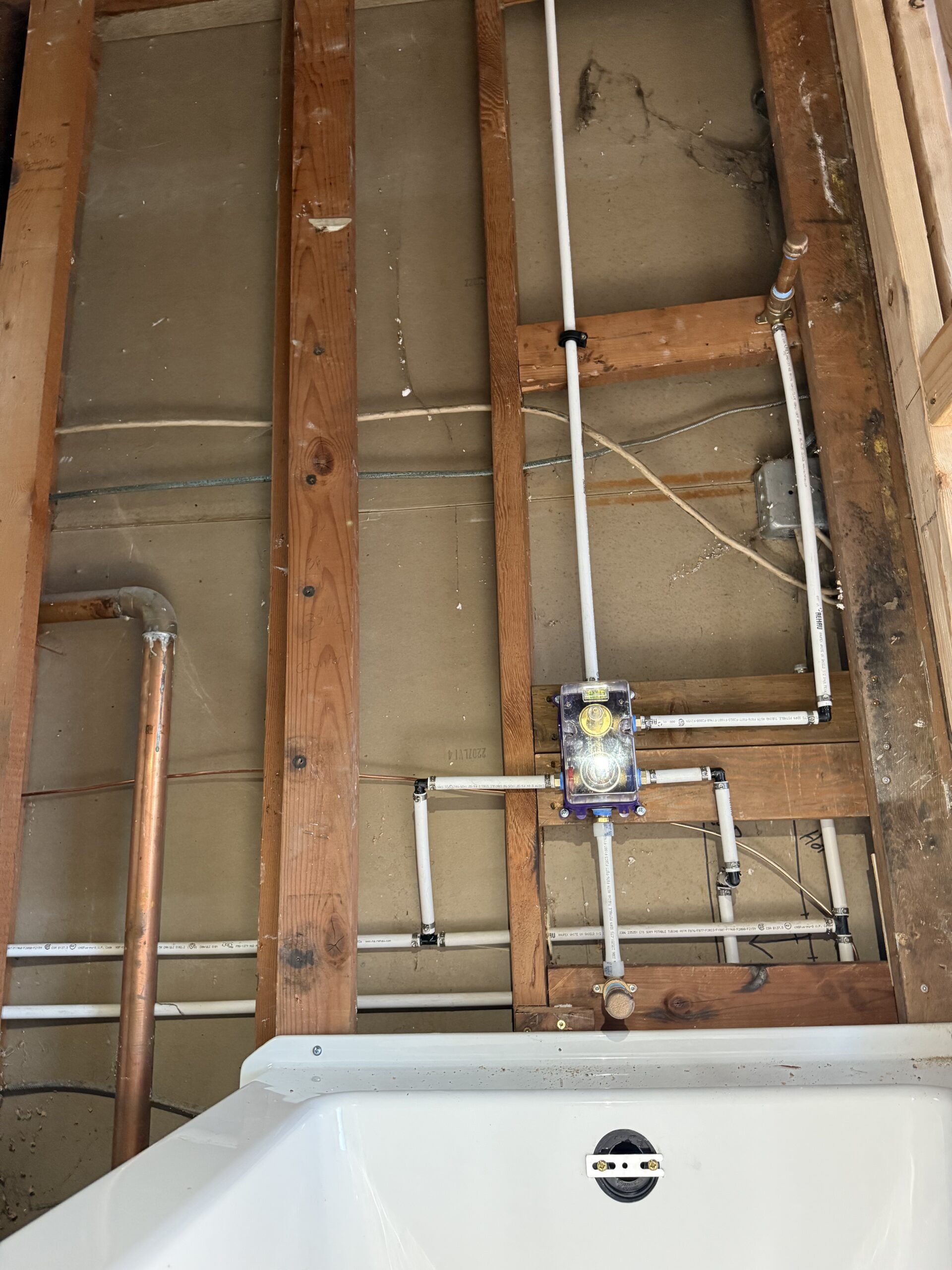
A proper plan identifies where the existing hot and cold supply lines run, which fixtures are served, where new piping can be routed, how shutoff points will be handled, and where walls or ceilings may need limited access. Material selection is only one part of the job.
Hammond Services’ own plumbing information identifies whole-home repiping as one of the larger plumbing projects the company handles. Its repiping guidance also references both PEX and copper as replacement options, with the appropriate material depending on the home and project.
When to Investigate
Signs Your Piping System Needs a Closer Look
No single symptom automatically means a home needs complete repiping. A pattern of several issues is more meaningful. Schedule an evaluation if you are dealing with:
- Leaks occurring in different parts of the home over time
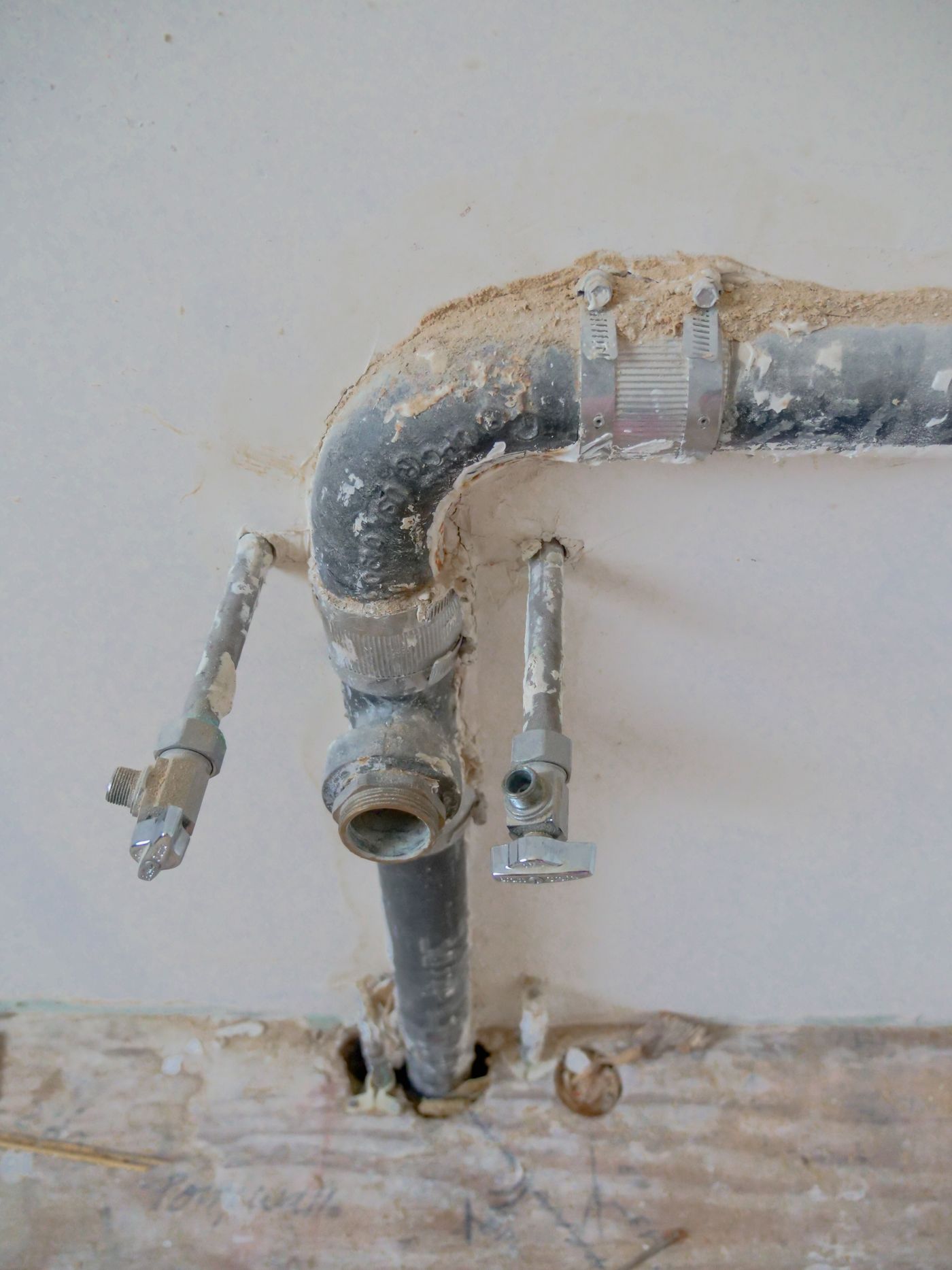
- Corrosion, scaling, staining, or deterioration on exposed water lines
- Pressure or flow problems affecting several fixtures
- Repeated pipe repairs with new failures continuing elsewhere
- Discolored water that appears to be associated with the home’s piping
- Older or mixed plumbing materials with an uncertain repair history
- Plans for a major remodel where aging supply lines will already be exposed
An inspection helps separate fixture problems, valve issues, municipal pressure concerns, and isolated leaks from conditions that actually justify system-wide replacement.
What the Evaluation Should Answer
Whole-Home Repipe or Targeted Pipe Repair?
A good repiping recommendation should explain why replacing a larger portion of the system is preferable to another spot repair. Important factors include:
- How widespread the failures are rather than how severe one leak looks
- The condition of accessible piping and whether deterioration appears isolated or repeated
- Pipe material and previous modifications throughout the home
- Water pressure and flow at multiple fixtures, not just one faucet
- Access and routing options for installing replacement lines with controlled disruption
- The cost and likelihood of future repairs compared with replacing the problem piping now
That distinction keeps a major project from being recommended when a smaller repair would solve the actual problem.
Our Service Process
What a Whole-Home Repipe Typically Involves
- Evaluate the existing system. The plumber reviews leak history, pressure concerns, visible piping, fixture performance, pipe materials, and previous repairs.
- Map the replacement plan. The new hot and cold water routes, fixture branches, shutoffs, access points, and proposed piping material are determined before installation begins.
- Prepare and protect work areas. Access points are planned around the home so the plumbing can be reached while limiting unnecessary disruption.
- Install and connect the new supply piping. Replacement lines are routed and connected to the appropriate fixtures and equipment according to the project scope.
- Test the completed system. Connections, pressure, flow, and operation are checked before the repipe is considered complete, and homeowners should receive a clear explanation of any remaining finish or access work included in the project.
Why Choose Hammond Services?
A Griffin Plumbing Team Equipped for Larger Projects
Whole-home repiping is different from a quick fixture repair. It requires planning across the entire water-distribution system and a company that can handle the plumbing issues discovered along the way.
- Serving South Metro Atlanta since 1979 with an established Griffin location
- Licensed Master Plumber MP210682 listed on Hammond’s plumbing pages
- Whole-home repiping is an established Hammond service, not a one-off specialty added for this page
- Broader plumbing capability for leaks, water heaters, drains, sewer lines, gas lines, and other related work
- Financing options for qualifying plumbing projects are available through Hammond Services
- 24/7 phone availability for urgent home-service concerns
The objective is to determine whether repiping is genuinely justified, plan the work around the home, and leave the homeowner with a water-supply system that no longer depends on repeated patch repairs.
Helpful Answers
Whole-Home Repiping FAQs
How do I know if I need whole-home repiping instead of another leak repair?
A single isolated leak usually does not justify replacing all of the home’s supply piping. Repiping becomes more reasonable when leaks occur in multiple locations, accessible pipe shows widespread deterioration, pressure problems affect several fixtures, or repeated repairs suggest the piping system itself is becoming unreliable.
Does a whole-home repipe replace the sewer lines too?
Not necessarily. Whole-home repiping commonly refers to replacing the pressurized hot and cold water-supply lines that feed fixtures. Drain and sewer piping is a different system. If both systems have problems, they should be evaluated and scoped separately so you know exactly what is being replaced.
Does Hammond Services use PEX or copper for repiping?
Hammond Services’ published repiping guidance references PEX and copper as replacement piping options. The appropriate material depends on the home, routing, local requirements, project goals, and the plumber’s evaluation rather than one material automatically being best for every property.
How long does a whole-home repipe take?
There is no reliable one-size-fits-all timeline. The size of the home, number of fixtures, piping layout, material, access, and whether additional plumbing work is discovered all affect the schedule. A site evaluation is the appropriate time to establish the expected project duration.
Will walls or ceilings need to be opened during repiping?
Some homes require access openings to reach and route water lines, while others provide easier access through crawl spaces, attics, cabinets, or utility areas. Before work begins, ask which access points are expected and exactly what patching or finish restoration is included in the written scope.
Can repiping help with low water pressure?
It can when restricted or deteriorated supply piping is the cause, but low pressure can also come from valves, fixtures, pressure regulators, leaks, or the incoming municipal supply. The cause should be diagnosed first so a repipe is not recommended for a pressure problem that originates somewhere else.
STOP CHASING THE NEXT PIPE LEAK
If your Griffin home is dealing with repeated leaks, deteriorating supply lines, or ongoing pressure and flow problems, have the system evaluated before paying for another isolated repair.
Call (770) 227-5325 or schedule service with Hammond Services to find out whether a targeted repair or whole-home repipe makes more sense.