





Most homeowners don’t think about their water heater until it stops working. But waiting for a complete failure can lead to an emergency replacement, unexpected water damage, and a lot of unnecessary stress. If you live in Griffin, Newnan, or a nearby Georgia community, knowing the warning signs can help you plan ahead and replace an aging water heater on your terms.
How Long Do Water Heaters Last?
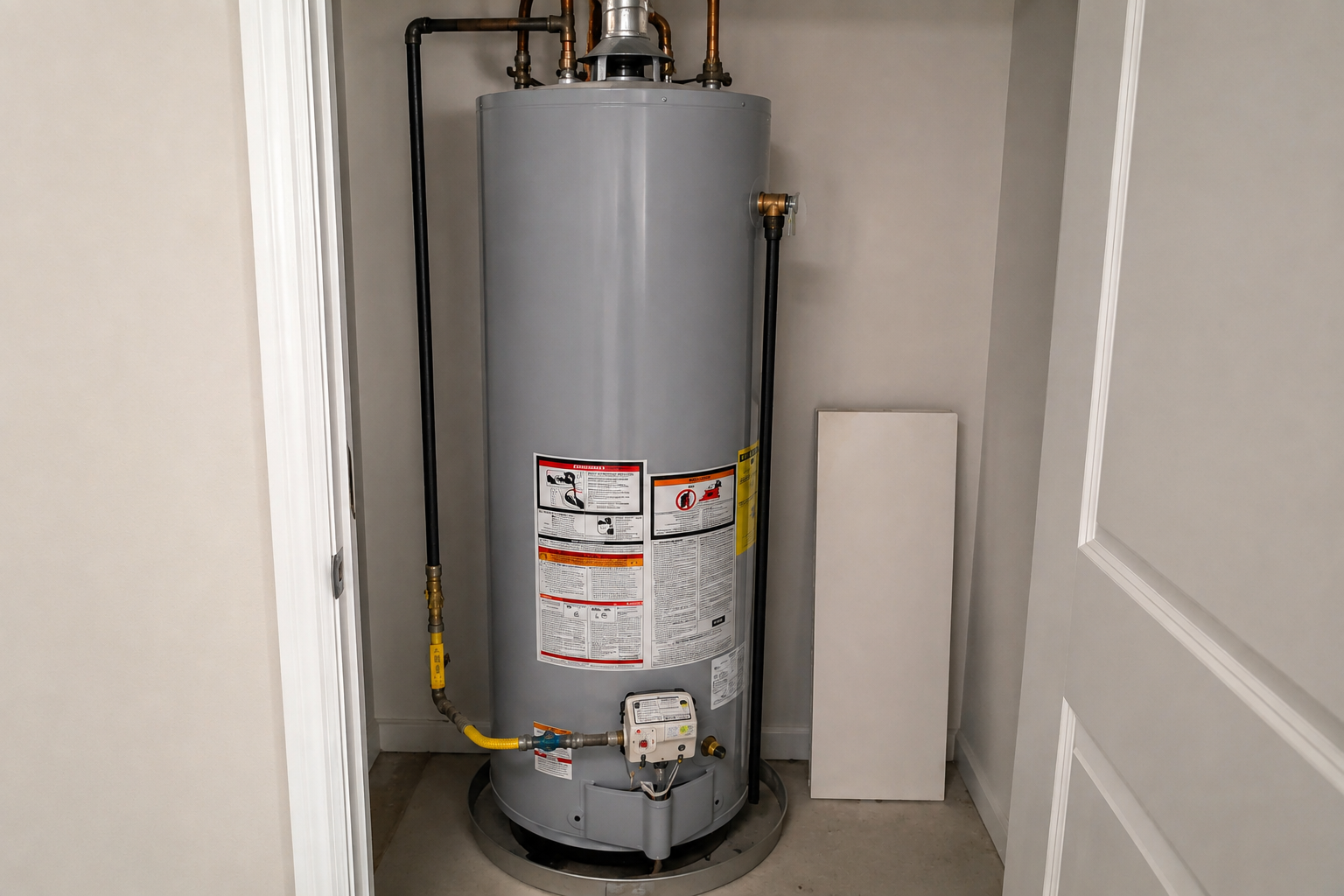
A traditional tank-style water heater may provide many years of dependable service, but its actual lifespan depends on the equipment, water quality, installation, maintenance, and household demand.
Tankless systems can also provide long service lives when properly installed and maintained. Rather than relying on age alone, homeowners should consider the condition of the equipment, repair history, performance, and signs of tank deterioration.
If your unit is getting older or showing signs of wear, it may be a good time to start planning ahead. Hammond Services can evaluate your current system and help you compare available water heater options.
Signs It May Be Time to Replace Your Water Heater
Water heaters often provide warning signs before a complete failure. Some of the most common include:
1. Your Water Heater Is Getting Older
An aging system may become less dependable over time. If the unit is already approaching or exceeding its expected service life, a major repair may be a good reason to compare replacement options.
2. Rusty or Discolored Hot Water
Discoloration coming specifically from the hot-water side can sometimes point to corrosion or deterioration within the water-heating system. A professional inspection can help determine the source before more serious damage occurs.
3. Hot Water Runs Out Faster Than It Used To
If your household suddenly has less usable hot water, sediment buildup, aging components, or other performance problems may be affecting the system’s ability to meet demand.
4. Rumbling, Popping, or Unusual Noises
Unusual sounds from a tank-style water heater can be associated with sediment buildup or other operating conditions that deserve professional attention.
5. Water Is Pooling Around the Unit
Water around a water heater should never be ignored. The source could range from a connection or valve to deterioration of the tank itself. A leaking tank typically requires prompt attention to reduce the risk of property damage.
6. Repairs Are Becoming More Frequent
If an older water heater has already needed several repairs, continuing to invest in the existing unit may no longer make financial sense. Comparing the repair cost with replacement can help you make a more informed decision.
If you’re noticing any of these issues, Hammond Services can inspect your system and help you determine whether repair or replacement makes the most sense. You can schedule service with Hammond Services to have the system evaluated.
For additional information about residential water-heating technologies and efficiency, homeowners can also review the U.S. Department of Energy’s water-heating resources.
Why Water Heater Replacement Timing Matters
Replacing an aging water heater before a complete failure can offer several practical advantages.
Avoid an Emergency Replacement
A sudden loss of hot water can force you to make a major equipment decision quickly. Planning ahead gives you more time to compare system types, capacity, efficiency, installation requirements, and cost.
Reduce the Risk of Water Damage
A leaking tank can damage nearby flooring, walls, stored belongings, and other areas of the home. Addressing a deteriorating water heater before a major leak develops can reduce that risk.
Consider Newer Efficiency Options
Water-heating technology continues to evolve, and replacement provides an opportunity to compare equipment efficiency, operating costs, fuel type, capacity, and newer options that may better fit your household.
When Is the Best Time to Replace a Water Heater?
A water heater can be replaced at any time of year. The best time is usually before the existing system reaches the point where failure forces an emergency decision.
If your water heater is older, showing signs of deterioration, or requiring repeated service, planning replacement before it stops working completely can give you more flexibility.
Should You Upgrade to a Tankless Water Heater?
Tankless water heaters can be a strong option for certain Georgia homes, especially when homeowners want continuous hot-water production, a compact design, or a different approach to energy use.
Potential advantages can include:
- Hot water produced on demand
- Compact equipment design
- No large storage tank
- Potential efficiency advantages depending on the system and household usage
- Long service potential with appropriate maintenance
However, tankless equipment is not automatically the right choice for every property. Gas supply, electrical requirements, household hot-water demand, installation conditions, and equipment sizing all need to be evaluated.
If you’re interested in going tankless, Hammond Services can help you compare conventional and tankless water heater options.
Schedule Water Heater Replacement in Griffin or Newnan
If your water heater is aging, leaking, making unusual noises, or struggling to keep up with your household’s hot-water needs, you don’t have to wait for a complete breakdown.
Hammond Services provides professional water heater evaluation, replacement, and installation for homeowners in Griffin, Newnan, and surrounding Georgia communities.
Schedule service with Hammond Services to discuss your current water heater and available replacement options.